
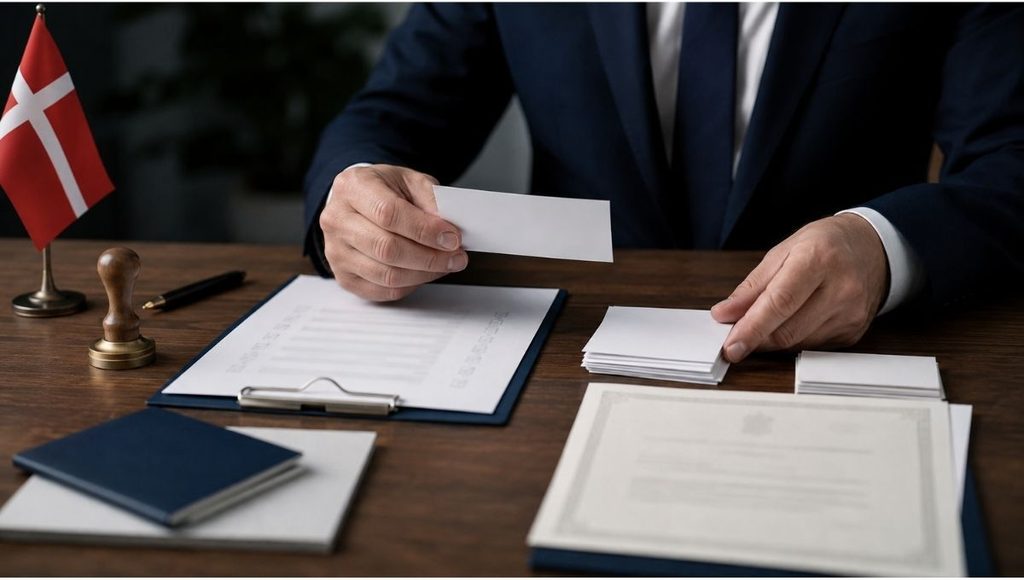
A citizenship application summarises years of residence, work and personal history. Small gaps can matter when the authority compares the application with tax, residence, and civil records. A pre-application evidence audit helps applicants find inconsistencies while there is still time to obtain corrections or explanations.
1. Confirm identity across every record
Compare the passport, residence card, CPR information, test certificates and civil-status documents. Names, dates of birth and nationality details should match. If transliteration, marriage or another event caused a name change, include the official document that connects the records. Never alter a certificate yourself.
2. Reconstruct residence and travel
Create a month-by-month timeline of residence in Denmark and significant trips abroad. Use old passports, travel confirmations, and previous permits to verify dates. The purpose is not to overwhelm the application with travel evidence, but to make sure the answers are accurate and that any potentially relevant absence is identified.
A citizenship lawyer can review whether an absence, employment abroad, or unusual residence period needs further explanation. Legal review is particularly useful when the applicant has held several permit types or has lived in another Nordic or EU country.
3. Verify permanent residence status
The 2026 official guidance states that applicants normally need to provide a copy of their indefinite residence permit. Check that the permit is valid and that the underlying conditions are still met. Citizenship processing does not replace the need for lawful residence throughout the waiting period.
4. Match language and citizenship-test evidence
Provide complete, readable copies of accepted test certificates. The official guidance refers to the 2021 citizenship test and Test in Danish 3, Danish 2 or other qualifying examinations listed in the relevant annexes. The correct requirement can depend on the applicant’s circumstances.
Where a medical exemption is requested, evidence should address the specific ability affected and why the applicant cannot meet the requirement. A diagnosis alone may not explain the required legal connection.
5. Review self-support and benefits
Obtain a record of benefits received and identify the legal basis for each payment. Applicants sometimes assume maternity, unemployment, sickness and cash benefits have identical effects. They do not necessarily do so. The assessment depends on the benefit type, period and current citizenship rules.
Keep municipal decisions and payment statements. If a payment was recorded incorrectly, seek clarification from the authority that made the record rather than simply contradicting it in the citizenship form.
6. Check public debt and financial records
Review tax accounts and other public claims before applying. Determine whether any outstanding amount belongs to a category relevant to citizenship and whether it has been paid or formally disputed. Save receipts and written confirmations. An informal payment plan may not have the same effect as full payment, so the legal position should be checked.
7. Disclose criminal matters accurately
Fines, convictions and pending charges can affect eligibility or create a waiting period. Applicants should not omit an event because it appears minor or old. Obtain the decision, payment evidence and relevant dates, then assess the consequence under the current rules.
Assemble a decision-ready file
Use a numbered document index. Each item should answer a clear question: who you are, where you lived, what status you hold, which tests you passed and whether financial or conduct requirements are satisfied. Keep a complete copy of the submitted form, attachments and payment receipt.
The first application fee is DKK 6,270 in 2026. Because the official digital solution may retain draft information for only a limited period, gather core records before beginning. After submission, monitor Digital Post and report relevant changes.
Frequently asked questions
Does a perfect document file guarantee citizenship?
No. Documentation supports the assessment, but the authority and ultimately the legislative naturalisation process determine the outcome.
Can I submit screenshots instead of certificates?
Use official documents wherever available. A screenshot may be useful context but may not establish authenticity or completeness.
When should I seek a citizenship lawyer?
Consider advice if you have absences, benefits, debt, criminal matters, disputed records, a previous refusal or a possible exemption.
How danskstatsborgerskab can help
danskstatsborgerskab can review the application chronology, test the evidence against current requirements and identify questions that should be resolved before submission. The aim is a transparent, organised application, not a promise of approval.